

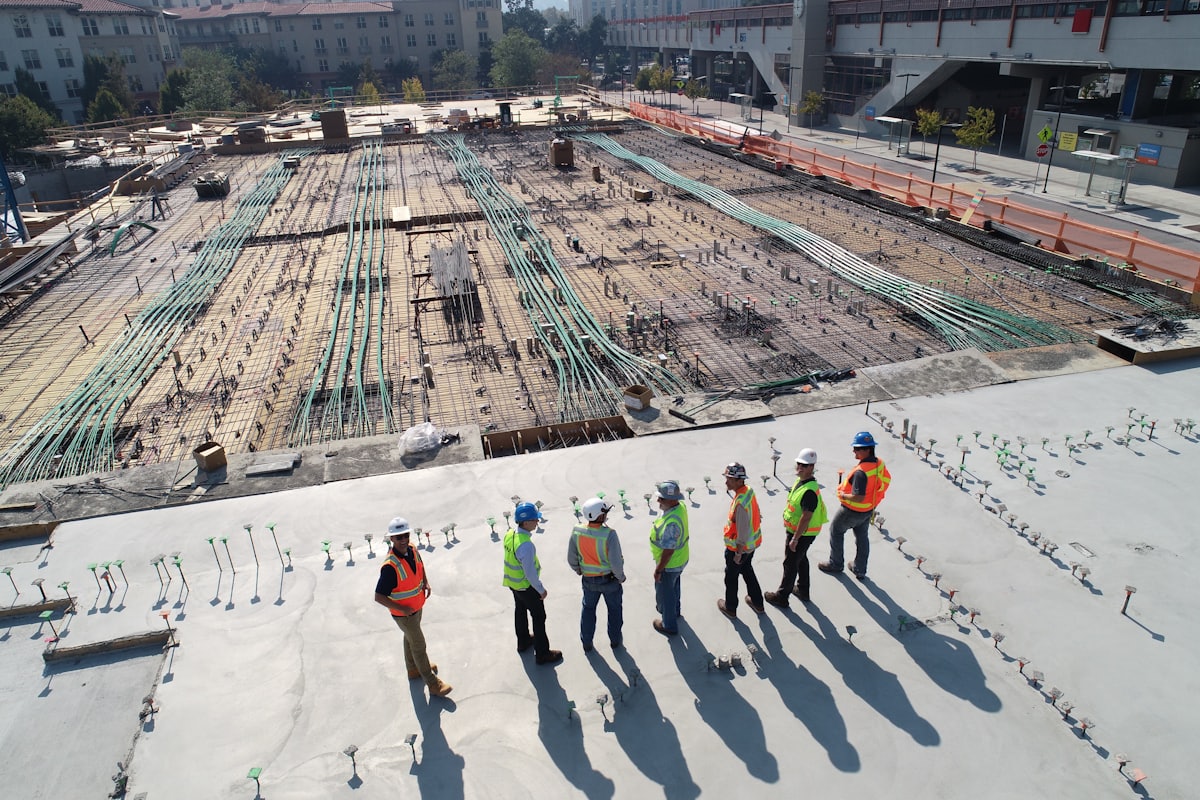
Turning a parcel of land into a successful project is a journey of decisions — and the early ones matter most. Development consultancy brings discipline and evidence to each stage, from concept to handover.
From concept to delivery
- Concept & highest-and-best-use — what should be built here, and for whom.
- Feasibility & budgeting — does it stack up financially before you commit.
- Design & approvals — coordinating consultants and statutory consents.
- Procurement & delivery — contractor coordination and cost control.
- Handover & sales/letting — taking the finished product to market.
Approvals and registered contractors
Development must navigate county planning and building approvals, and works are carried out by contractors registered with the National Construction Authority (NCA). Coordinating these correctly — and early — avoids the delays and rework that quietly erode a project’s returns.
Why independent advice matters
An independent consultant keeps the project anchored to the market and the budget, flags risk early, and protects your interests across the many parties involved — so good land becomes a viable, profitable project rather than a costly lesson.
What a development consultant does
A development consultant guides a project from raw idea to completed, viable asset. That means testing the concept against the site and the market, shaping the brief, advising on the optimum use and scheme, assembling and coordinating the professional team, and steering the project through approvals, procurement and delivery. The goal is simple: get the most value from the land, with the least avoidable risk.
Assembling and managing the team
Most developments need an architect, engineers, a quantity surveyor, a valuer, planners and a contractor — and the brilliance of any one of them is wasted without coordination. The consultant assembles the right team, defines roles and responsibilities, manages procurement, and keeps everyone working to the same brief, programme and budget.
The stages of a project
A well-run development moves through clear stages: concept and feasibility, design and approvals, procurement, construction, and handover or sale and letting. Decisions taken early — on use, density and design — have the biggest impact on cost and value, which is why expert input at the start pays for itself many times over.
Managing risk and approvals
Projects fail on the things that were not planned for: missing approvals, cost overruns, weak demand and funding gaps. Good consultancy anticipates these — confirming the approvals path (county, NEMA, National Construction Authority), stress-testing the appraisal and building in contingency — so the project stays on course. Talk to our advisory team about making your scheme viable.