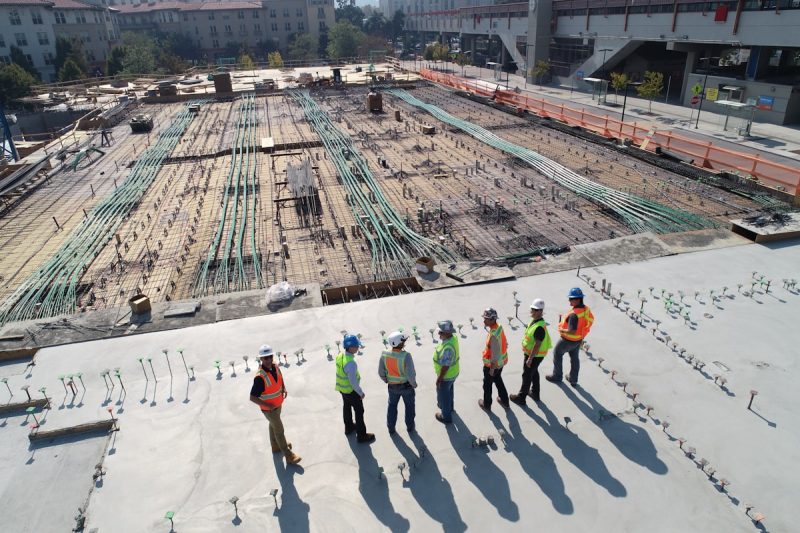

The difference between a profitable development and an expensive mistake is usually decided before construction starts — in the feasibility study.
What a rigorous study tests
- Market demand — is there genuine, evidenced demand for what you plan to build?
- Highest and best use — is this the most valuable viable use of the site?
- Financial feasibility — costs, revenues, financing and returns, stress-tested.
- Risk — planning, market, construction and funding risks, and how to mitigate them.
Better decisions, earlier
A credible feasibility study sometimes confirms a scheme — and sometimes saves you from one, or points you to a better site or product. Either way, it replaces optimism with evidence at the point where changing course is still cheap.
What a feasibility study examines
A feasibility study is a structured test of whether a proposed development makes sense before serious money is spent. It looks at four things together: the site (tenure, services, zoning and physical constraints), the market (who the buyers or tenants are and what they will pay), the finances (costs, value and profit), and the regulatory and delivery path. Each is examined honestly — not to justify a decision already made, but to inform one.
The financial appraisal at its heart
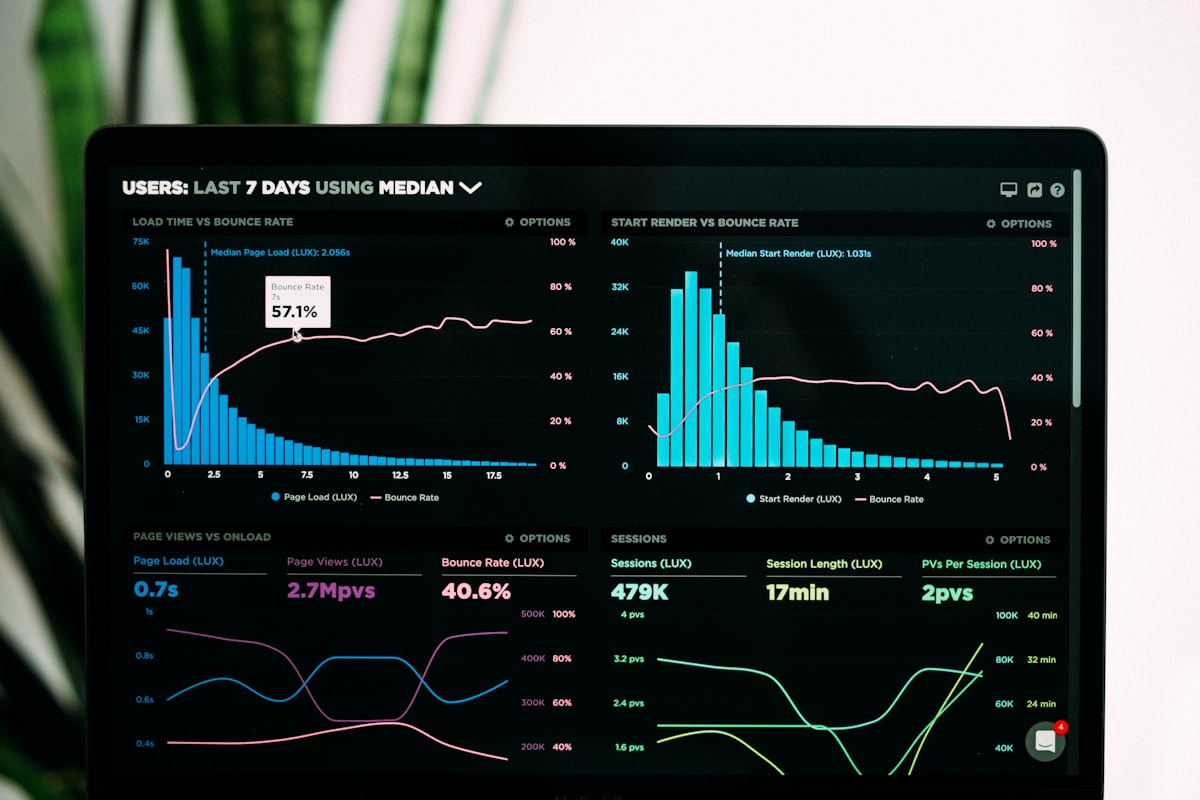
The numbers are where a study earns its keep. A development appraisal sets land cost, construction and professional fees, finance, marketing, contingencies and the developer’s required profit against the projected value of the completed scheme. Crucially, it is then stress-tested — what happens if construction costs rise, sales slow, or values soften? A scheme whose margin only survives in ideal conditions is a warning, not a green light.
Common reasons projects fail
Most failures trace back to a handful of avoidable errors: overpaying for land, optimistic sales values, underestimated costs and timelines, weak or misread demand, missing approvals, and thin contingencies. A rigorous study surfaces these risks early, while they can still be designed out or walked away from cheaply.
From study to confident decision
The value of a feasibility study is not only a go or no-go answer — it is a clearer, lower-risk version of the project: the right use, the right scale, a realistic budget and programme, and a funding and approvals plan. That is the difference between a profitable development and a costly mistake. Talk to our advisory team before you build.